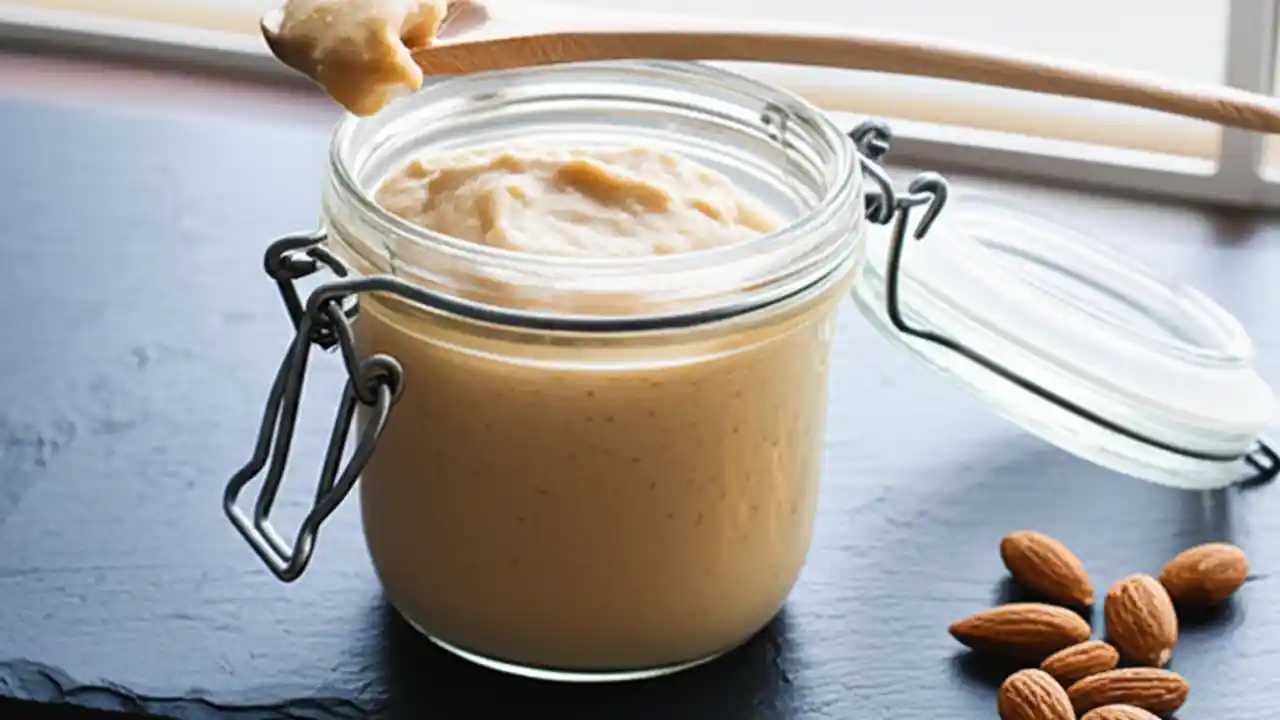
Achieve Ultra-Smooth Almond Butter with Just 2 Ingredients
Have you ever found yourself in the grocery aisle, eyeing a jar of almond butter, only to put it back after seeing the exorbitant price tag and a list of questionable ingredients longer than your arm? Many of us have been there, settling for gritty textures or unwelcome additions like cane sugar and palm oil. But what if we told you that the secret to truly luscious, velvety-smooth almond butter, bursting with pure almond flavor, lies in your own kitchen with a mere two ingredients? Prepare to revolutionize your pantry and delight your taste buds, because mastering
two ingredient homemade almond butter is not just simple, it's profoundly satisfying.
For years, many of us, myself included, swore by the familiar comfort of peanut butter, often because our initial experiences with store-bought almond butter left much to be desired. That gritty texture, the watered-down flavor – it hardly seemed worth the hype or the hefty cost. That perception changes the moment you experience homemade almond butter. It's a revelation, transforming from a crunchy nut into a cascade of silky, spreadable goodness. The journey to this creamy perfection requires a dash of patience and a good food processor, but the reward is a wholesome, delicious spread that puts any store-bought contender to shame.
The Magic Behind Ultra-Smooth Texture: It's All About Heat and Patience
The quest for truly ultra-smooth almond butter often hinges on one crucial, yet surprisingly simple, trick: heat. This isn't just another kitchen hack; it's a fundamental principle that unlocks the almonds' natural oils, transforming them from dry, hard nuts into a liquid gold. The process begins with roasting your raw almonds. This step isn't just for flavor; it’s the catalyst for texture. When almonds are warm, their cellular structure softens, and their oils are more readily released, drastically speeding up the blending process and contributing to that desirable smooth consistency. In fact, understanding
The Hot Almond Trick for Perfect 2-Ingredient Almond Butter is the single most important factor for success.
Once roasted and still warm, the almonds go into your food processor. This is where patience truly becomes an ingredient. The transformation happens in distinct stages, and it's vital not to give up too soon:
- Almond Flour: Initially, the almonds will break down into a coarse, powdery flour. Don't be tempted to stop here; this is just the beginning.
- Clumpy Paste: As the blades continue to spin, the flour will start to clump together, forming a thick, sandy paste. It might look dry and unpromising, resembling wet sand or even a thick dough.
- A Gloppy Ball: Next, the mixture will likely coalesce into a single, dense ball that rides the blades. This is often where people start to doubt the process and consider adding oil. Resist the urge! The almonds are still working their magic.
- The "Magic Moment": Finally, after several more minutes, the friction and continued processing will cause the oils to fully release. The thick ball will break down, and the mixture will suddenly loosen, becoming liquid and glossy. This is the magical moment when your almond butter truly forms, turning from a chunky paste into a velvety, pourable butter.
Throughout this process, particularly during the middle stages, your food processor will be working hard. It's essential to give it breaks, especially if the motor feels hot. Processing in bursts of 2-3 minutes, then pausing for a minute or two, not only protects your appliance but also allows the almonds to cool slightly and re-distribute, aiding in a more even blend. Trust the process, keep scraping down the sides of the bowl, and don't give up. The ultra-smooth reward is well worth the wait.
Why Choose Homemade Over Store-Bought? Beyond Just Smoothness
Beyond the sheer delight of an incredibly smooth texture, opting for homemade
two ingredient homemade almond butter offers a multitude of benefits that extend far beyond taste:
Unparalleled Purity and Control
The primary draw of making your own almond butter is knowing exactly what goes into it – and what stays out. Many commercial brands, even those labeled "natural," often contain unnecessary additions. These can range from added sugars and excessive salt to emulsifiers and dreaded hydrogenated oils, which prolong shelf life but detract from the nutritional value and purity. When you make it yourself, your almond butter is simply almonds and, if you choose, a touch of salt. No fillers, no compromises.
Significant Cost Savings
Walk into any gourmet or health food store, and you'll quickly realize that premium almond butter comes with a premium price tag. A small jar can easily cost upwards of $10-$15, making it a luxury item for many. However, a bulk bag of raw almonds, even high-quality ones, costs a fraction of that, yielding a much larger quantity of superior almond butter. The savings accumulate rapidly, making it a smart economic choice for a staple food.
Boosted Nutritional Profile
Almonds are nutritional powerhouses, and homemade almond butter retains all those benefits without dilution. It's an excellent source of healthy monounsaturated fats, which are good for heart health. Furthermore, almond butter is rich in essential micronutrients that your body craves. While often compared to peanut butter, which is also nutritious with similar protein and fiber content, almond butter stands out for its higher levels of:
- Vitamin E: A potent antioxidant that protects cells from damage and supports skin health.
- Magnesium: Crucial for muscle and nerve function, blood sugar control, and blood pressure regulation.
- Iron: Essential for oxygen transport in the blood and overall energy levels.
Incorporating homemade almond butter into your diet is a delicious and easy way to ensure you're getting these vital nutrients, often missing in other popular spreads.
Your Simple Recipe for Ultra-Smooth Two-Ingredient Almond Butter
Ready to experience the magic yourself? Here's how to create your own jar of liquid gold.
Ingredients:
- 3 cups (approximately 1 lb or 450g) raw, unsalted almonds
- ¼ - ½ teaspoon sea salt (optional, adjust to taste)
Equipment:
- High-powered food processor
- Baking sheet
Instructions:
- Preheat & Roast: Preheat your oven to 350°F (175°C). Spread the raw almonds in a single layer on a baking sheet. Roast for 8-10 minutes, or until lightly golden and fragrant. Watch them closely to prevent burning.
- Transfer Immediately: As soon as the almonds are out of the oven, transfer them while still warm (even hot!) to your food processor. The residual heat is key to quick oil release.
- Process with Patience: Begin processing the almonds.
- Initially, they will break down into a coarse flour.
- Keep processing. They will then form a clumpy, sandy paste.
- Continue scraping down the sides of the bowl every few minutes to ensure even processing.
- The mixture will eventually form a thick, dense ball that rides the blades. Do not give up!
- Keep processing in 2-3 minute bursts, allowing the food processor to rest for a minute or two if it gets hot.
- After 10-15 minutes (or sometimes a bit longer depending on your processor), the ball will suddenly liquefy, transforming into a smooth, glossy, and pourable almond butter.
- Season & Finish: Once the butter is completely smooth, add the sea salt (if using) and process for another 30 seconds to incorporate it thoroughly. Taste and adjust salt if necessary.
- Store: Transfer the fresh two ingredient homemade almond butter to an airtight jar or container. Store at room temperature for up to 1-2 weeks, or in the refrigerator for up to 3-4 weeks. The oils may separate over time; simply stir before using.
Pro Tips for Success:
- Almond Choice: While raw, unblanched almonds offer a deeper, nuttier flavor, blanched almonds (with skins removed) can result in an even smoother, lighter-colored butter. Experiment to find your preference.
- Food Processor Power: A robust, high-powered food processor is essential for the best results. Weaker models might struggle or overheat faster.
- Don't Add Oil: It's tempting, but unnecessary. Added oil will change the texture and dilute the pure almond flavor. Trust the natural oils to emerge.
- Listen to Your Machine: If your food processor sounds strained or feels excessively hot, give it a break. This isn't just for the machine's longevity, but also to prevent overheating the almonds, which can affect the flavor.
Unleashing the Flavor: Creative Ways to Enjoy Your Homemade Almond Butter
Now that you've mastered the art of making two ingredient homemade almond butter, it's time to enjoy its incredible versatility! Beyond the classic spread on toast (especially delightful on whole wheat or gluten-free bread with a drizzle of honey), here are some of our favorite ways to incorporate this nutritious treat into your daily routine:
- Smoothie Booster: Add a tablespoon or two to your morning smoothie for a creamy texture, nutty flavor, and an extra dose of healthy fats and protein.
- Fruit Enhancer: Pair with sliced apples, bananas, or pears for a satisfying and healthy snack.
- Oatmeal & Yogurt Topping: Swirl into your morning oatmeal or a bowl of Greek yogurt for added richness and flavor.
- Baking Ingredient: Substitute for other nut butters or even some fats in your favorite cookies, brownies, or energy ball recipes.
- Savory Sauces: Whisk into salad dressings, marinades, or even Asian-inspired sauces for a creamy, nutty depth.
- Energy Bites: Combine with oats, dates, seeds, and honey for quick, no-bake energy bites.
The sweet and nutty profile of pure almond butter also pairs wonderfully with a sprinkle of cinnamon, a dash of vanilla extract, or even a hint of maple syrup if you desire a touch more sweetness. Its smooth texture makes it particularly easy to incorporate into various dishes without clumping.
Embrace the Homemade Revolution
Making
two ingredient homemade almond butter is more than just a recipe; it's a step towards healthier eating, greater self-sufficiency in the kitchen, and a deeper appreciation for simple, wholesome ingredients. The journey from dry almonds to a velvety spread is a testament to the power of a little patience and the right technique. You’ll not only save money and avoid unwanted additives but also discover a depth of flavor and a luxurious texture that store-bought options simply can't match. So, gather your almonds, fire up your food processor, and prepare to be amazed. Your taste buds and your wallet will thank you!